Questions about future student training
The original page directed graduate-student training questions to Swallowing Wellness.
Email Swallowing WellnessPreserved 2025 graduate-student program
Making medical clinical training accessible to all speech-language pathology graduate students.
Archive status
The listed August–December 2025 sessions have ended

Preserved from the former Student Training page. Historical checkout links are retained below but should not be used as current registration.
01
When I was a graduate student in Speech-Language Pathology (SLP), I received little to no medical clinical training—despite requesting it multiple times. Why? Because medical placements are limited in most SLP programs. Universities often struggle to provide balanced access to both educational and medical clinical experiences. As a result, even though all students pay the same tuition, our post-graduate careers can differ significantly based solely on the clinical opportunities we were—or weren’t—given.
The Humbert Swallowing Training Program (HSTP) at Swallowing Wellness was created to address this gap. While we don’t replace graduate externships, our training supplements them. We offer weekend-based courses that are open to any graduate student, starting with one of the least accessible experiences: modified barium swallow studies (MBSS), also known as videofluoroscopic swallow studies (VFSS). HSTP is committed to expanding access to high-quality, affordable medical clinical training for future SLPs.
02
Each course was tailored for graduate students with a limited foundation in swallowing anatomy and physiology or instrumental swallowing assessment.
03
The program was designed for graduate students in Speech-Language Pathology programs who had completed—or were completing—dysphagia coursework and were preparing for medical placements or clinical fellowships.
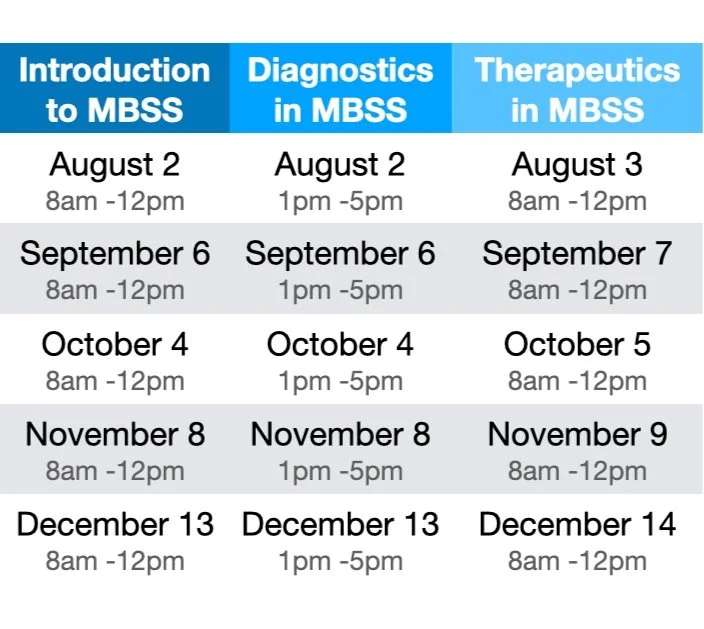
The 2025 courses were held on weekends from August through December at Swallowing Wellness, 4641 Montgomery Avenue, Suite 300, Bethesda, Maryland 20814. Registration was $200 per course. Payment plans were offered, with the full registration cost due before the course start date.
The original page directed graduate-student training questions to Swallowing Wellness.
Email Swallowing WellnessSTEP supplied the foundational online anatomy and physiology training used in the program.
Visit STEP04
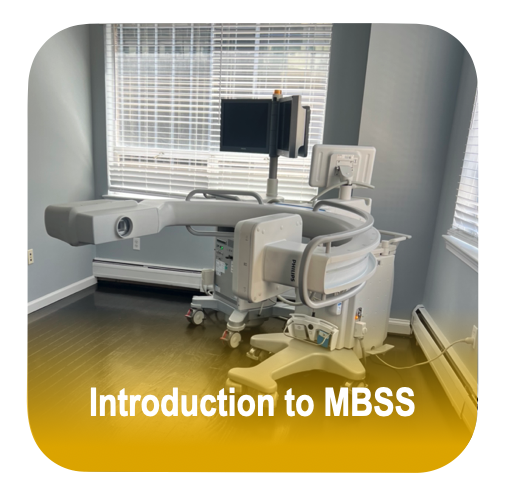
The Introduction to MBSS course included two sections. The first covered foundational principles of swallowing anatomy and physiology through approximately two hours of pre-recorded online material, recommended before the in-person date.
The four-hour in-person training with Dr. Humbert covered swallowing anatomy and physiology viewed with videofluoroscopic imaging, radiation-safety principles, healthcare-professional roles in MBSS, hands-on image collection in the fluoroscopy suite, understanding and mixing barium contrast, and a quiz on the covered material.
05
The Diagnostics in MBSS course included two sections. The first covered foundational principles of MBSS anatomy, physiology, and differential diagnosis through approximately two hours of pre-recorded online material, recommended before the in-person date.
The four-hour in-person training with Dr. Humbert covered analysis of normal and abnormal swallowing on videofluoroscopy; what can and cannot be observed and tested with videofluoroscopy; work with common adult patient populations during MBSS; hands-on swallowing-image collection in the fluoroscopy suite; and a quiz on the covered material.
06
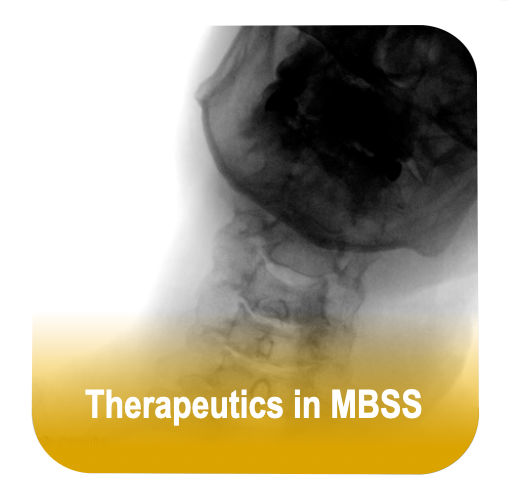
The Therapeutics in MBSS course included two sections. The first covered foundational principles of testing therapeutic strategies during MBSS through approximately two hours of pre-recorded online material, recommended before the in-person date.
The four-hour in-person training with Dr. Humbert covered the principles and usefulness of testing swallowing therapies with videofluoroscopic imaging; visual biofeedback during MBSS; hands-on swallowing-image collection in the fluoroscopy suite; interpreting altered swallowing physiology during therapeutic tasks; and a quiz on the covered material.
07
August 2, September 6, October 4, November 8, and December 13, 2025.
August 2, September 6, October 4, November 8, and December 13, 2025.
August 3, September 7, October 5, November 9, and December 14, 2025.
These destinations are retained for a complete source-site archive. Dates and registration offers have ended, and the linked services may no longer accept payment or submissions.
This page preserves source-site information and media. Use the current clinician-education index for active offerings.